
A Call to Arms


This past year has been marked by conflict. The United States has been particularly aggressive. The country I call home has been aggressive against Venezuela and now Iran.
 Contributors to Wikimedia projects
We also seem to be threatening Cuba as well.
Conflicts are like Waves.
They come and go. They rise and fall.
On June 1st of last year, 2025, some drones took off and flew into the airspace of an air base. These were quadcopters. Four sets of brushless motors and propellers quietly giving lift to these machines with malicious intent.
They landed on aircraft much larger than they were and much more expensive and then detonated explosives. The aircraft they landed on top of were orders of magnitude more expensive and some were even out of production. Meaning they couldn't make more of them, not in any immediate time frame that is.
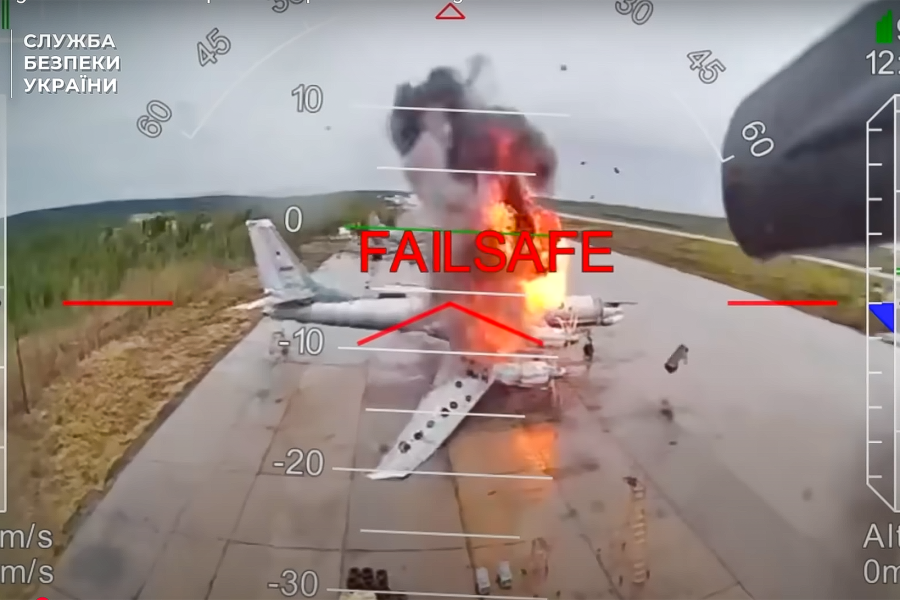
This took place in Russia. It was a coordinated attack that took 18 months to plan and execute by Ukraine. It was named Operation Spiderweb.
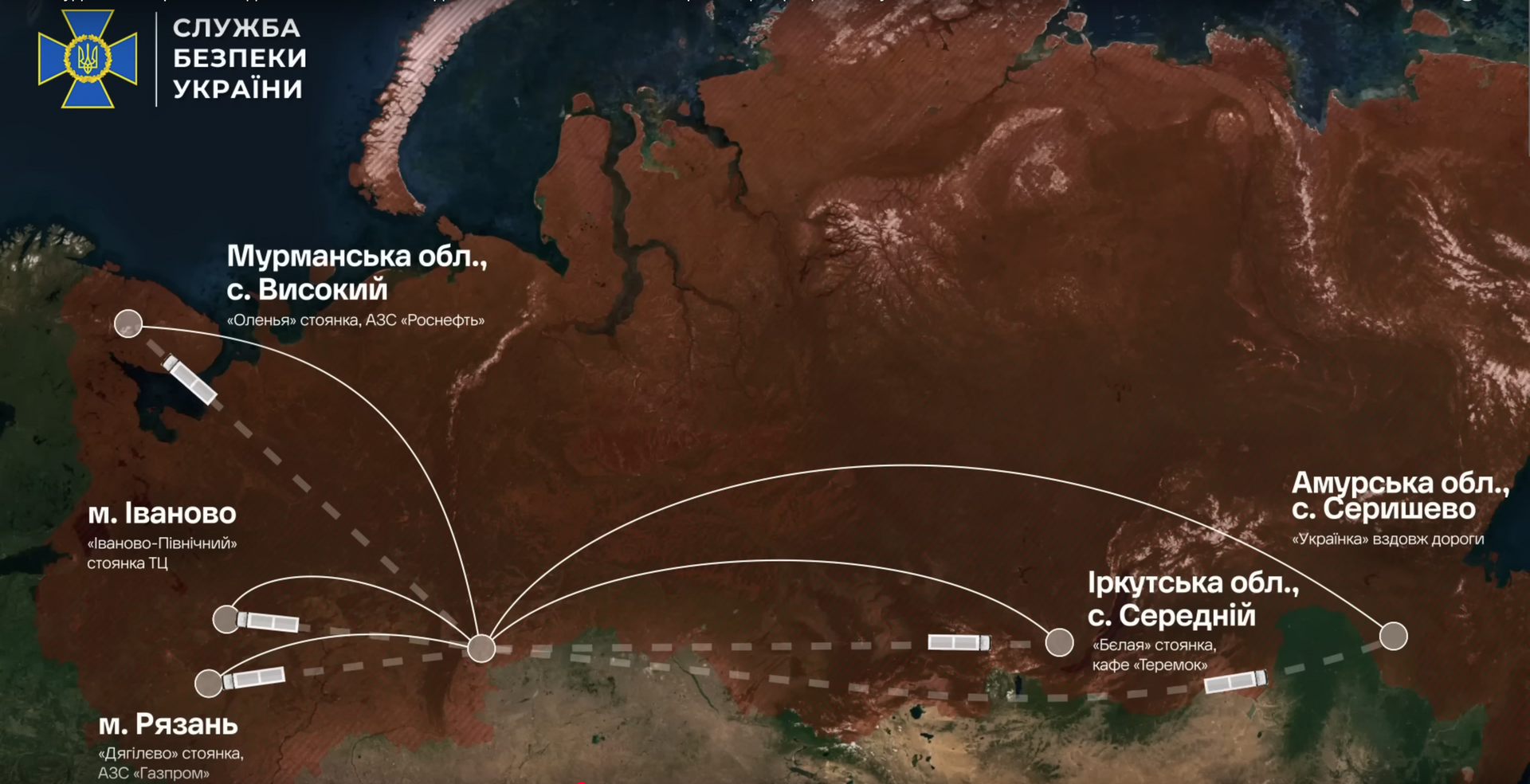
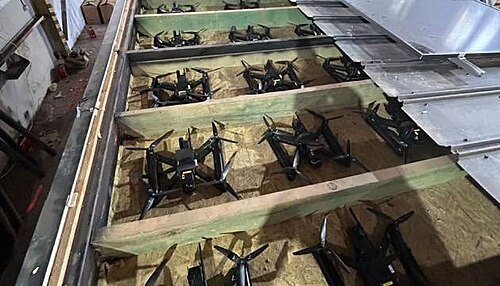
You would think that these drones are the cutting edge of what's possible to have gone up against one of the world powers. The absolute bleeding edge of what could cause this destruction.
You would be wrong.
They relied upon first person view piloting from remote pilots and some dead reckoning navigation.
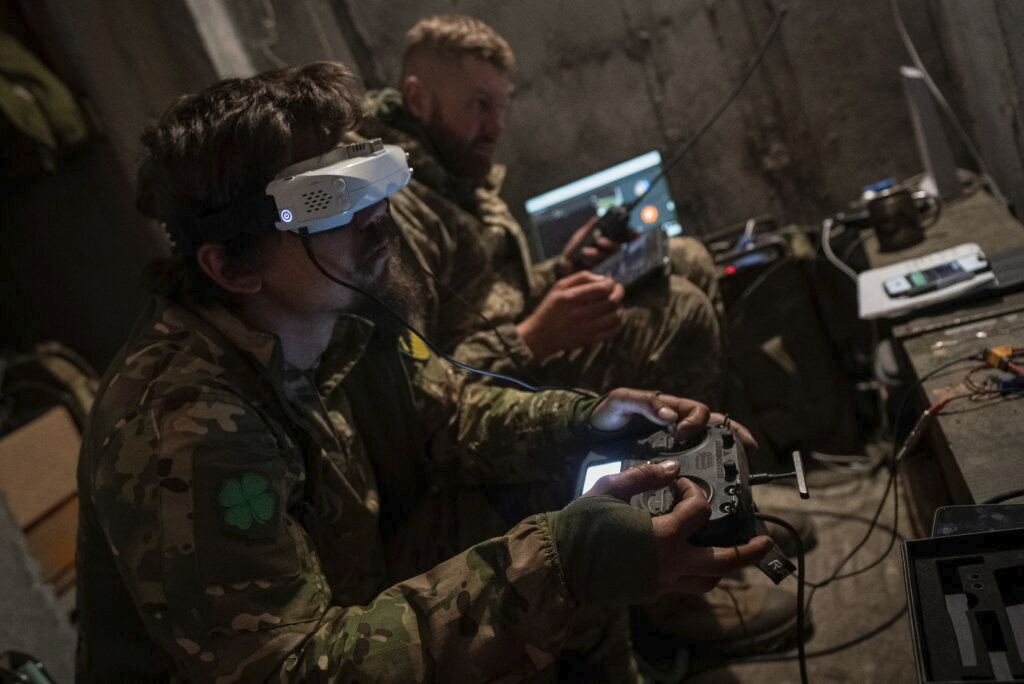
This existed 10 years ago.
As far as technology goes, this is nothing special. Many RC plane/copter hobbyists have been using this kind of setup while flying in fields and in parks. This is old hat to them.
You put a headset that has a view of the camera that is on the drone and communicate remotely over radio, cell, or satellite. Then when you fly into a situation where you can't navigate by GPS because the signal for GPS may be blocked, you are navigating by dead reckoning.

Dead reckoning has been used on ships within maritime for a very long time. It's simple and it works. It's not the latest and greatest, but it's tried and true. People can easily understand it.
These conflicts we get into will bring change, but it is not always clear what kind of change they will bring.
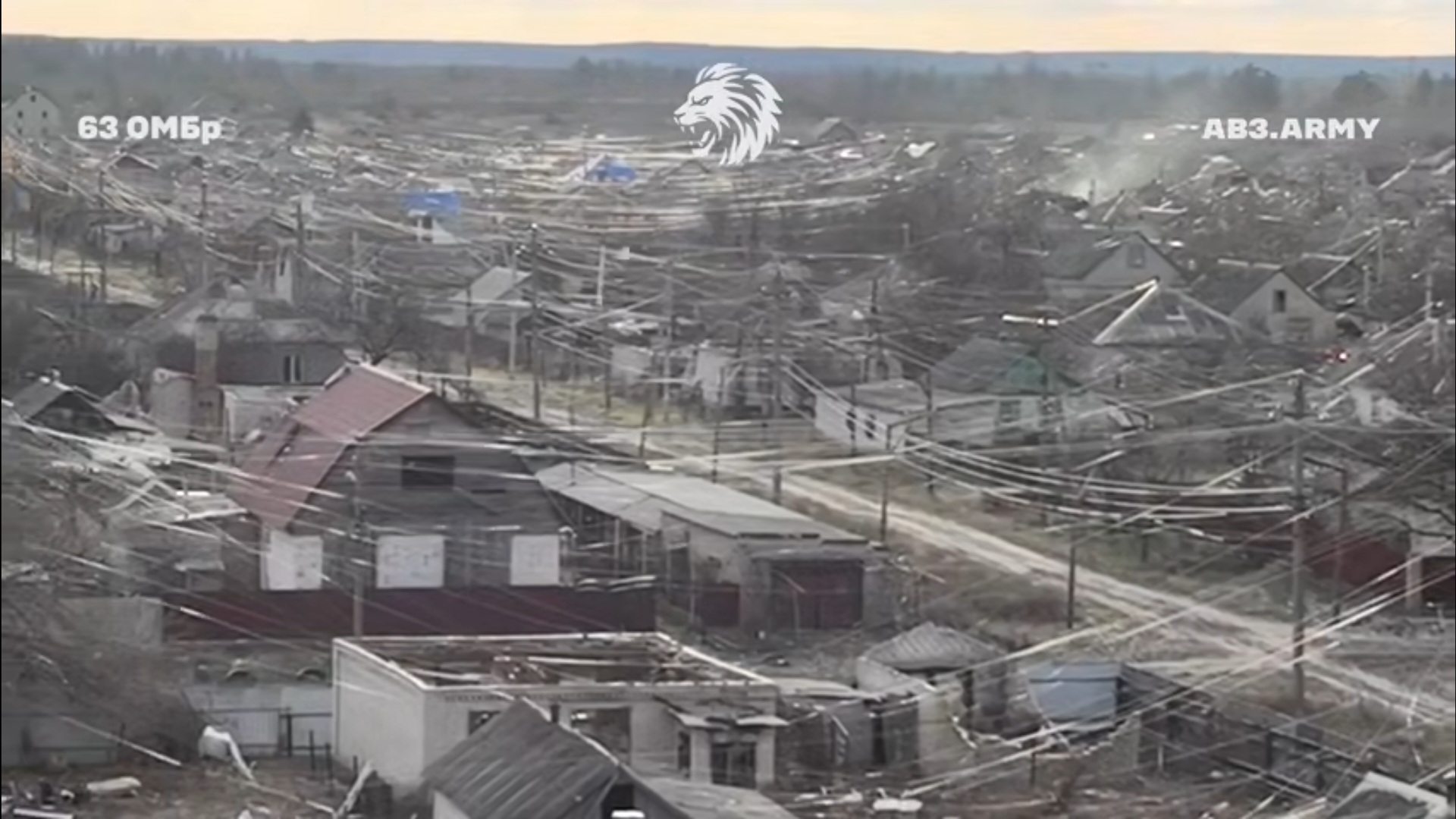
However, one thing to point out that has changed is how some battlefields are increasingly shaped by fiber-optic-controlled drones.
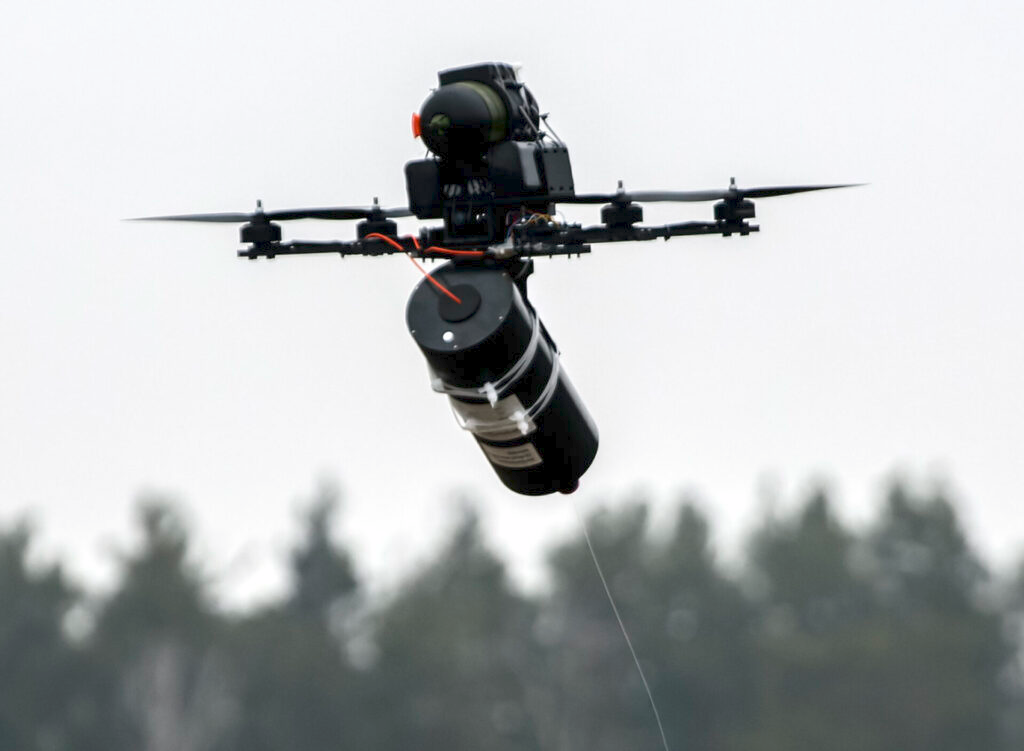

Feels like the spiderwebs extend beyond one operation.
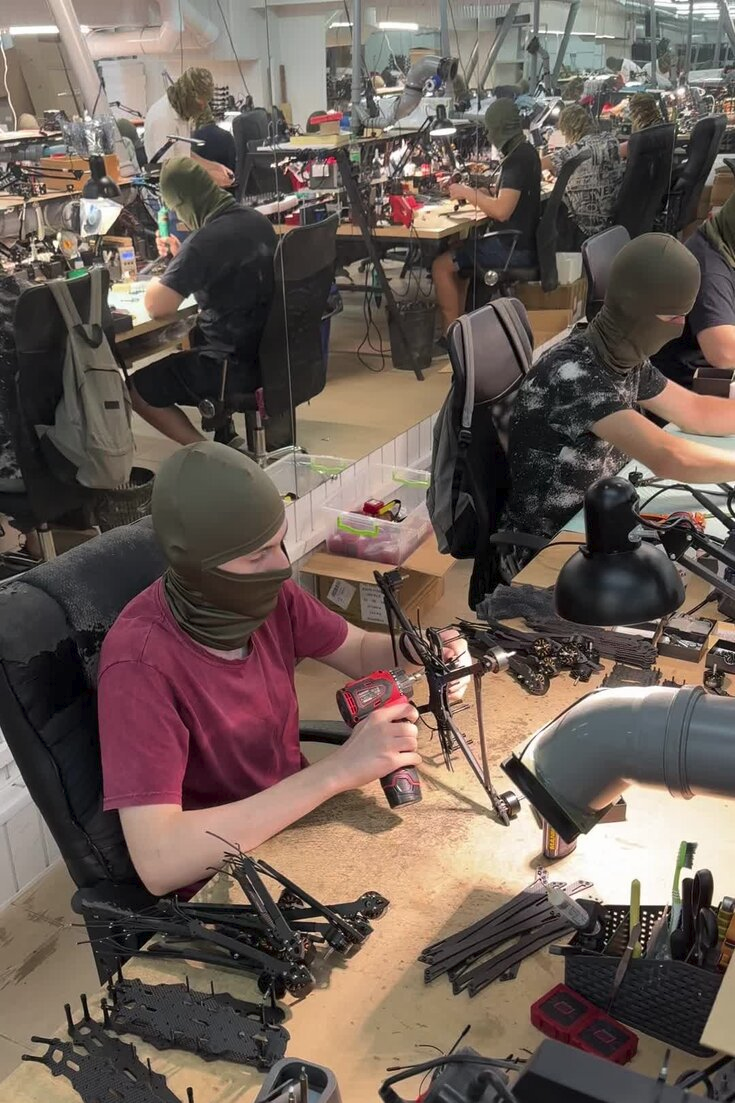
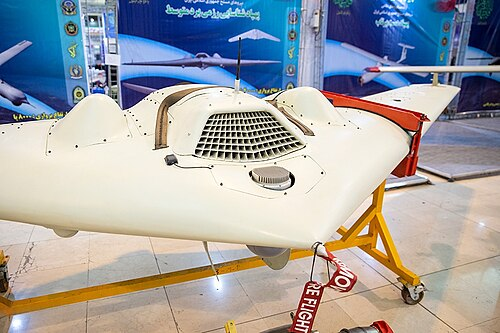
Eventually one side gets exhausted enough to relent. Not a loss or victory, but a lull in the demand for unmanned aircraft that kamikaze themselves into the enemy. Conflicts wax and wane. They intensify, but they also relent. We're living through a swell right now. It may be hard to imagine or called wishful thinking in the thick of current events, but it will happen. The conflicts will contract.
However, it's not clear how long it will take for the conflicts to contract.
Cheap systems beat spectacular systems. War surges and contracts, but each surge leaves behind new production habits and technological expectations.
Logistics Wins Wars and Markets
The distribution of supplies and manufacturing capability is what matters.
I would have expected such a conflict to end suddenly when it turned into a full-scale invasion of Ukraine by Russia back in 2022.
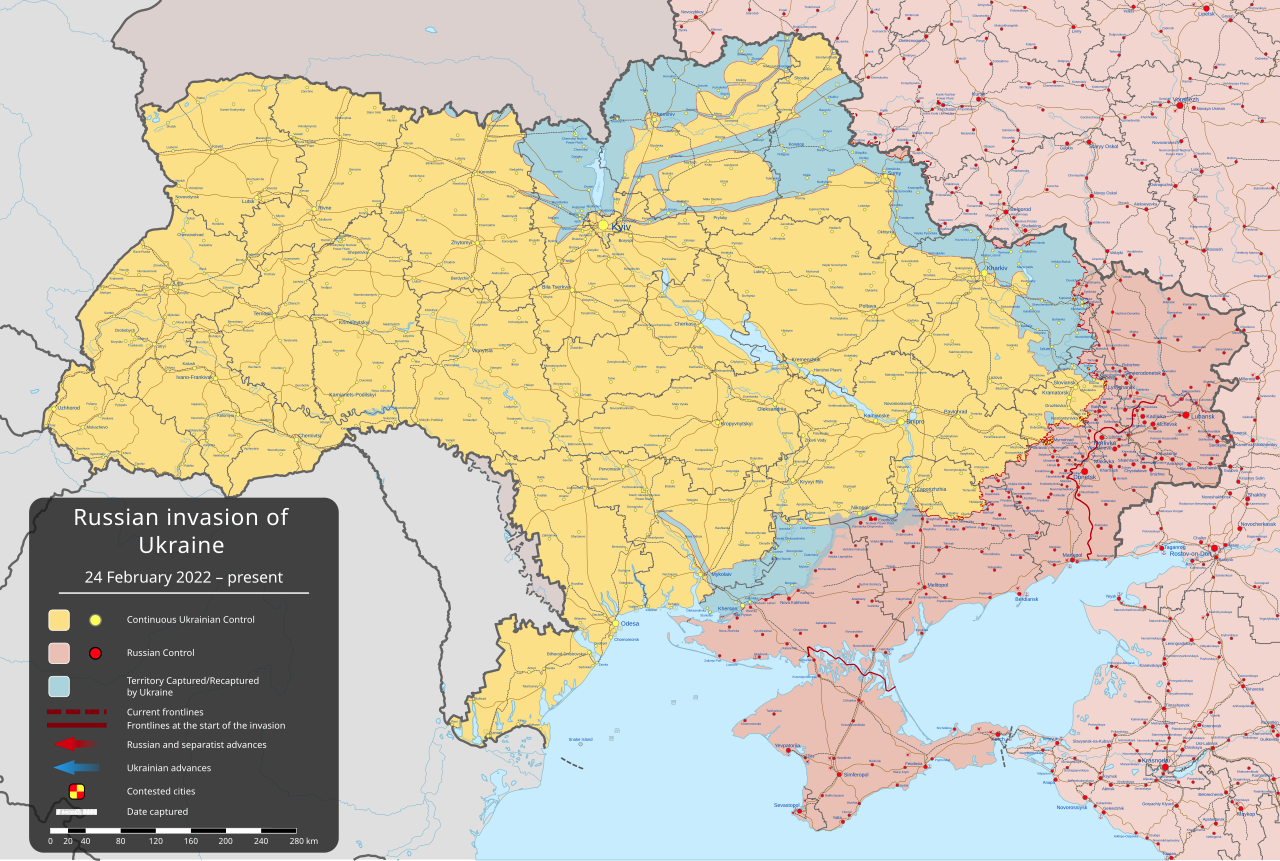
However, that invasion didn't quite result in a crushing defeat of Ukraine. It's now a protracted war that continues to this day years later.
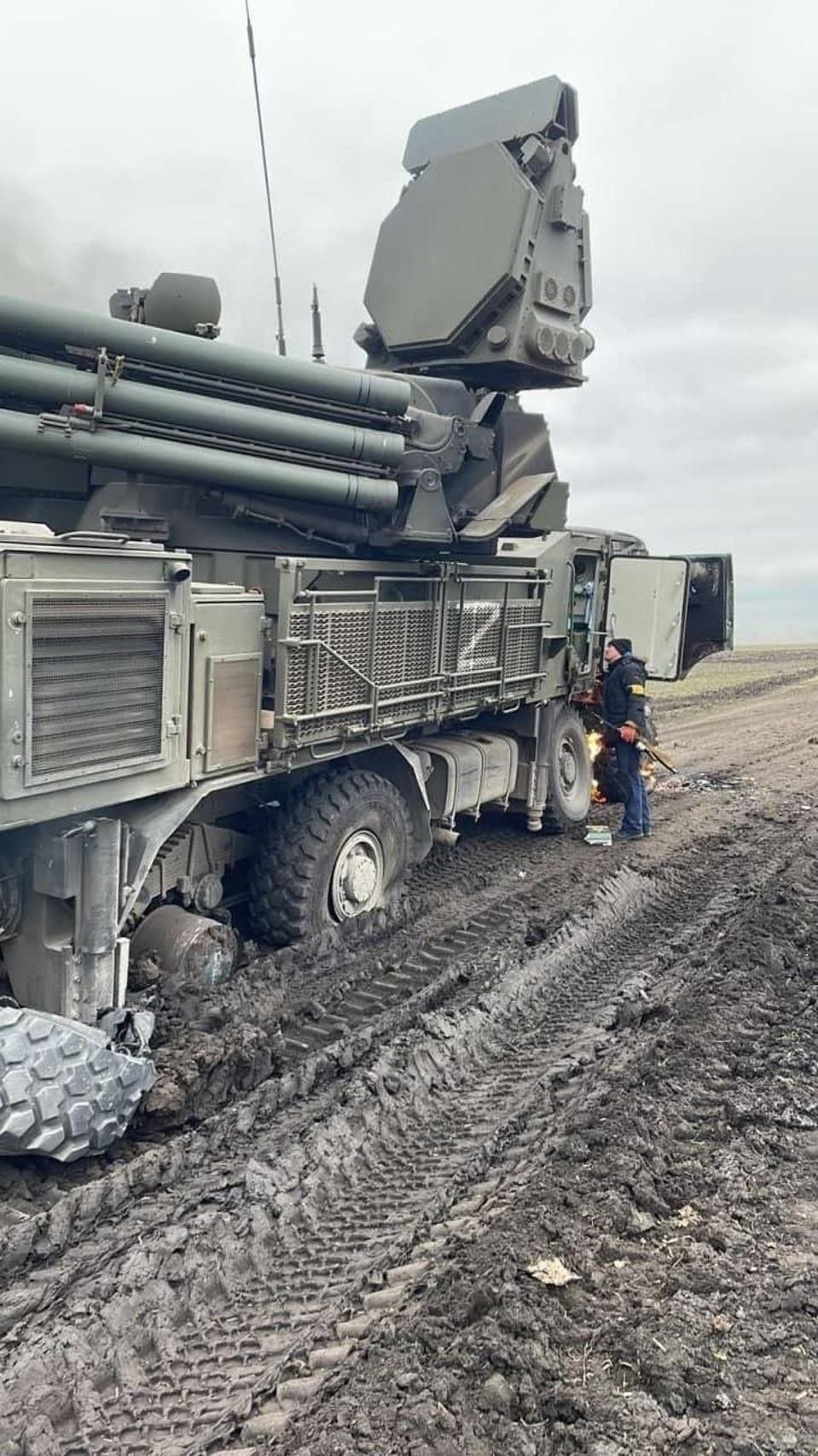
Russian supply chains in the Ukraine conflict have been crippled by systemic corruption, with military budgets embezzled, resulting in soldiers lacking essential gear, expired rations, and insufficient equipment.
This wouldn't be the first time that logistics and the production of goods would have a major role to play in deciding who wins a war. We've seen this in other wars and conflicts. Making equipment and supplies then getting them to where they need to be is paramount. It's difficult to make that reliable. Much of war is about destabilizing such things for the other side while keeping your supply lines intact.
Some of the world's richest people are chasing after making their companies more resilient by stabilizing the production of goods within their companies. Elon Musk who is well known for SpaceX, Tesla, and most recently his trillion dollar compensation package through Tesla is one notable example.
Tesla’s 2025 CEO Performance Award
Tesla’s shareholders approved a new pay plan for Elon Musk that is very big, but he only gets paid if Tesla hits huge goals. Under this plan, Musk will earn Tesla stock (shares) instead of cash – up to about $1 trillion worth over ten years – but only if Tesla becomes extremely valuable and Musk meets all the targets.
- How it works: Musk can earn the shares in 12 parts (tranches). To get each part, two things must happen together: Tesla’s total value (market cap) must reach a certain level, and Musk must complete some big goals. For example, for the first part, Tesla’s value must hit $2.0 trillion and at least one goal must be done; for the last part, Tesla’s value must reach $8.5 trillion and all 12 goals must be done. Musk also has to stay as CEO and even prepare a succession plan for the final parts.
- What are the goals? These goals are super ambitious and relate to products that use electric motors. They include things like delivering 20 million cars, having 1 million self-driving robot taxis on the road, and delivering 1 million Tesla robots (including Optimus). Some goals are money targets (like making $50 billion or more in profit). Musk only earns each stock part if enough of these goals are met by the deadlines.
- When is he paid? The plan covers a 10-year period starting September 3, 2025. Musk only gets a part of the stock after the goals are met and he’s still CEO. If he leaves Tesla or the goals aren’t met by the end, he would not get those shares.
- Value math: All 12 parts are about 424 million shares total. If Tesla’s value really did reach $8.5 trillion and every goal is hit, that stock would be roughly $1.02 trillion in total (that’s 12% of $8.5T). Tesla’s agreement says Musk only gets the gain above the grant price ($334.09 per share). That math makes the “net” value about $878 billion.
Bottom line: Musk will only truly be paid if Tesla grows to an almost-unimaginable size and he helps achieve its most ambitious product and profit targets.
Analytical Details and Sources
- Tranche for 1,000,000 Optimus Bots: The “1 Million Bots Delivered” is Operational Milestone #3. The Award Agreement (Exhibit 10.2) defines this milestone as “the Company has cumulatively Delivered at least one (1) million Bots (from the Date of Grant)”. No single tranche is only tied to Optimus bots – it’s one goal out of twelve. Any Tranche earned only if enough milestones (including this) are met. For example, Tranche 3 requires any 3 milestones. If delivering 1M Bots is one of those, Musk could earn Tranche 3 when Tesla’s market cap hits $3.0 trillion.
- Headline vs. Net Value:
- Gross headline value: If Tesla’s market cap reaches $8.5 trillion and all 423,743,904 shares vest, Musk’s stake is 12% of Tesla, which is about $1.02 trillion. (Math: 423,743,904 shares ÷ 3,531,199,200 total shares ≈ 12%; 12%×$8.5T≈$1.02T.)
- Net value: The award includes an “offset” meaning Musk only gets the gain above $334.09 per share. So subtract $334.09×423,743,904 ≈ $141.6 billion from $1.02 trillion, leaving about $878 billion net. (Tesla’s filings confirm $1 trillion gross and $878 billion net.)
- Twelve Tranches: Each tranche is 35,311,992 shares. The table below lists each Tranche #, required market-cap milestone, and number of Operational Milestones:
- $2.0 T + any 1 goal
- $2.5 T + any 2 goals
- $3.0 T + any 3 goals
- $3.5 T + any 4 goals
- $4.0 T + any 5 goals
- $4.5 T + any 6 goals
- $5.0 T + any 7 goals
- $5.5 T + any 8 goals
- $6.0 T + any 9 goals
- $6.5 T + any 10 goals
- $7.5 T + any 11 goals (plus CEO succession plan)
- $8.5 T + all 12 goals (plus CEO succession plan)
- Product Goals & Motors: The Operational Milestones that involve electric motors are listed in Table 2:
- “20 Million Tesla Vehicles Delivered” – obviously electric vehicles.
- “1 Million Bots Delivered” – Tesla robots (like Optimus) use EV-style motors.
- “1 Million Robotaxis…” – self-driving electric taxis.
Tranches themselves refer only to “Operational Milestones.” But since these product goals are among the 12, any Tranche (1–10, 11, 12) that includes those milestones involves EV motors. (Tranches 11–12 additionally require a CEO succession plan.) The term “Optimus” appears only in the definition of “Bot”, not in the tranche text.
- Sources: All details come from Tesla’s SEC filings (Award Agreement Ex.10.2), which specify the milestones. For example, Table 1 and 2 above are from the official agreement. Reuters covered the payout size ($1 T) and goals.
- Uncertainties: The $1 trillion figure is a theoretical maximum if all conditions are met; actual payoff depends on future Tesla stock price and performance. Tesla’s filings are precise, but hitting an $8.5 T market cap and all those goals is highly uncertain.
The model of some of these bots that are likely to be delivered is called Optimus at the present moment. Tesla does not have a tranche solely for Optimus, but “1 Million Bots Delivered” is one of the operational milestones that can help unlock tranches. That matters because Tesla has turned humanoid robot deployment into part of its executive incentive structure.
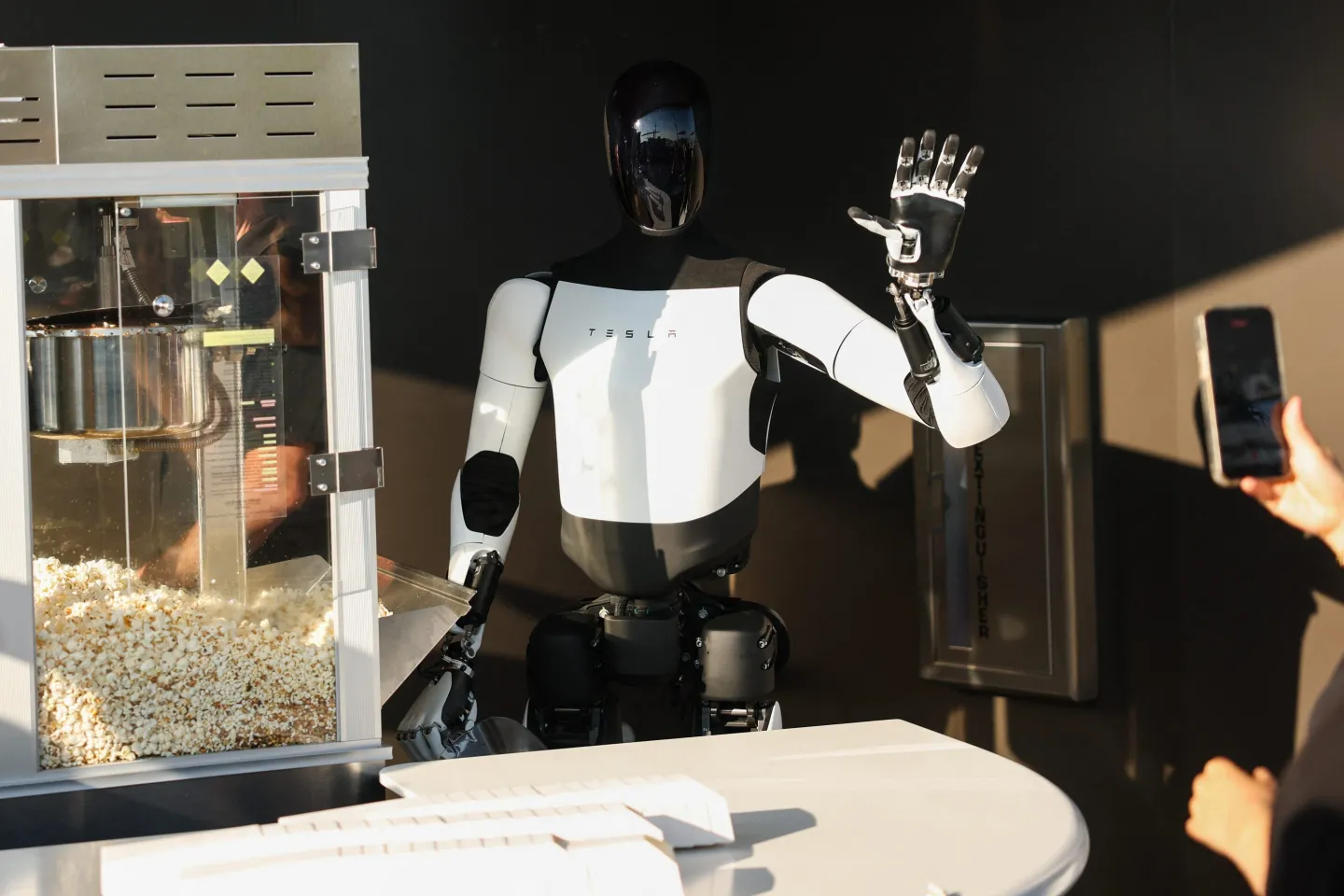
Elon Musk isn't the only one pushing forward robotics and automation technologies. Jeff Bezos, known for founding Amazon.com. Inc., co-founded a company called Project Prometheus with Vik Bajaj last November of 2025. The company launched with 6.2 billion in funding. Part of that funding came from Jeff Bezos himself.
As of 2026, the Prometheus group is also seeking large-scale funding for a holding company that would acquire companies that Bezos and Bajaj anticipate will be hit by industrial AI technology.

Jeff Bezos is no stranger to logistics. That's what Amazon.com is all about. Getting goods from one place to another. Amazon makes use of robots to deal with quite a bit of the logistics. They try to automate as much as possible. They've been doing this for decades.
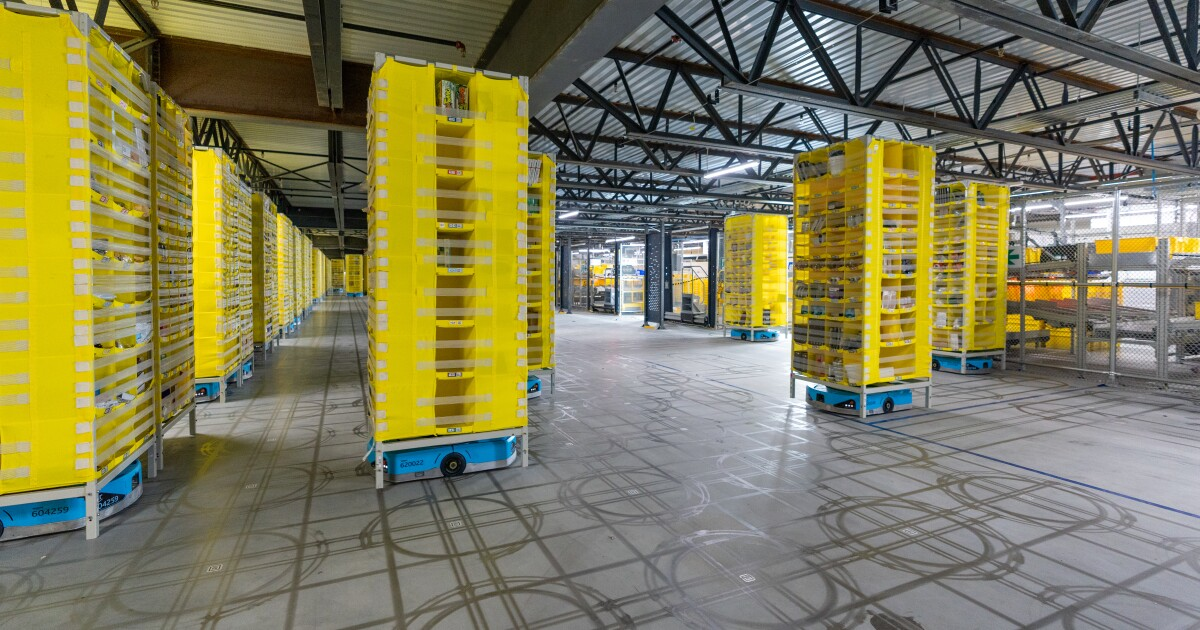
Usually they take the form of robots that look like vacuum cleaning robots carrying around stacks of shelving on their backs.
We'll put a pin in that and get back to it in a moment.
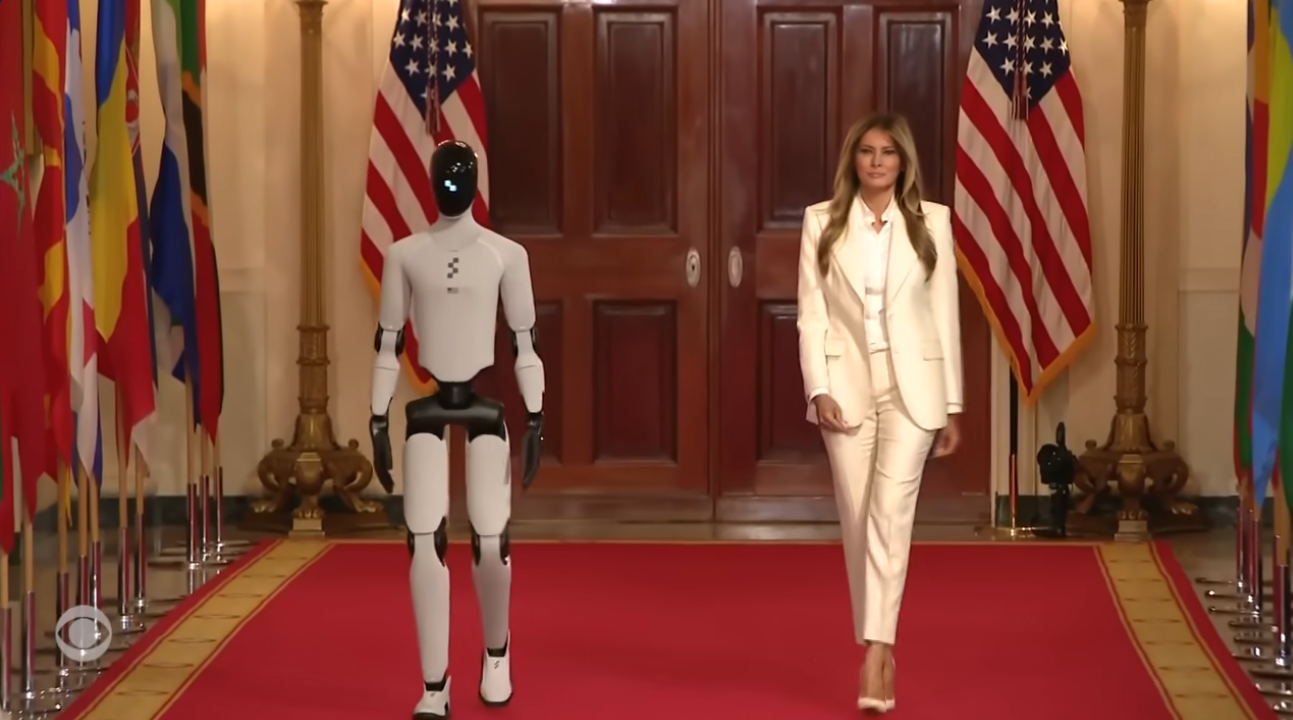
The robots making the most headlines recently don't look like roombas. They approximate people. However, public opinion of the uncanny nature of humanoid robotics doesn't seem approving.

It's hard to take the message seriously to empower children through technology and education. People also can't take seriously the Landian undertones of this speech. It's not unusual for the FLOTUS to encourage children to read, but it does feel unusual the message that is being conveyed this time around.

When the FLOTUS seemingly struggles to read aloud "accelerate" while advocating for the use of technology within education, it comes across as a mixed signal of values. I'd imagine whoever wrote that speech must have been aghast when they heard that word get mispronounced. The literacy of the United States is already heading in a concerning direction.
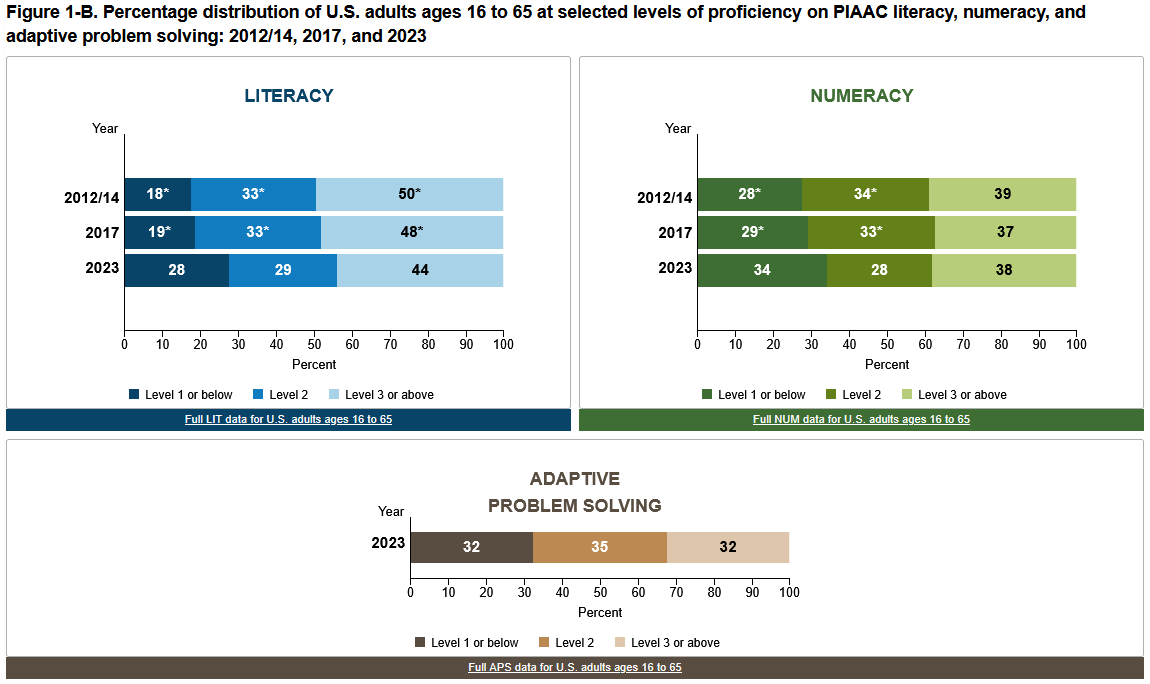
Where the bottom levels of literacy are a growing category.
It's unfortunately impossible to ignore the politics in technology when they're both becoming increasingly intertwined. When considering the fortune 500 is dominated by the "Magnificent 7", Nvidia, Apple, Alphabet, Microsoft, Amazon, Meta, and Tesla. The Magnificent 7 dominate the market-capitalization story of American capitalism, even if the Fortune 500 by revenue still includes retail, energy, healthcare, and finance giants.
Major donor overview
Desktop shows a standard table. On mobile, each donor becomes a stacked card.
| Donor | Affiliation | Party | Total |
|---|---|---|---|
| DonorElon Musk | AffiliationWorld’s richest tech CEO; largest donor in 2024 | PartyRepublican | Total~$291M |
| DonorTimothy Mellon | AffiliationBanking heir; major Trump and RFK Jr. funder | PartyRepublican / independent | Total~$165M |
| DonorMiriam Adelson | AffiliationCasino heiress; major Trump backer | PartyRepublican | Total~$124M |
| DonorRichard Uihlein | AffiliationShipping magnate; longtime GOP/Trump donor | PartyRepublican | Total~$105M |
| DonorElizabeth Uihlein | AffiliationUline co-owner; co-donor with Richard Uihlein | PartyRepublican | TotalNegligible |
| DonorKenneth Griffin | AffiliationCitadel CEO; major Republican donor | PartyRepublican | Total~$62M |
| DonorJeffrey Yass | AffiliationSusquehanna co-founder; Club for Growth funder | PartyRepublican | Total~$64M |
Funding breakdown by channel
| Donor | Hard $ | JFC | PACs | Super PACs / Dark |
|---|---|---|---|---|
| DonorElon Musk | Hard $~$1.0M | JFC$0M | PACs$0M | Super PACs / Dark~$290M via America PAC |
| DonorTimothy Mellon | Hard $$0M | JFC~$150M via MAGA Inc. | PACs~$15M via Congressional Leadership Fund | Super PACs / Dark$0M |
| DonorMiriam Adelson | Hard $$0M | JFC$0M | PACs~$24M to Senate/House leadership PACs | Super PACs / Dark~$100M via Preserve America PAC |
| DonorRichard Uihlein | Hard $$0M | JFC~$10M via MAGA Inc. | PACs~$95M via Restoration PAC and Club for Growth | Super PACs / Dark$0M |
| DonorElizabeth Uihlein | Hard $$0M | JFC$0M | PACsTrace (<$1M) | Super PACs / Dark$0M |
| DonorKenneth Griffin | Hard $$0M | JFC$0M | PACs~$62M via Senate Leadership Fund, CLF, Keystone PAC | Super PACs / Dark$0M |
| DonorJeffrey Yass | Hard $$0M | JFC$0M | PACs~$64M via Club for Growth, Protect Freedom, CLF | Super PACs / Dark$0M |
Campaign dollars that get people elected have to come from somewhere.
The politics of technology is not only shaped by tech CEOs. It is shaped by the broader donor class, venture capital, defense-adjacent capital, and firms that benefit from deregulation, procurement, tax treatment, and industrial policy.
“For Little Tech, we think Donald Trump is actually the right choice—sorry Mom, I know you’re going to be mad at me for this, but we had to do it.” – Marc Andreessen, Founding Partner of A16Z Venture Capital Firm (source)
This flip of position for Marc Andreessen came out of a concern about taxes and regulation. These are some of the most common issues for someone to be right leaning within the United States in their political support.
Marc Andreessen uses the term "Little Tech", but A16Z which helps fund "Little Tech" recently touted raising 15B. Where over 1 billion of that is going towards American Dynamism.
Which is all about supporting the national interest of the United States.
American Dynamism seems to be all about the intersection of military, technology, and economy that has historically given the United States an advantaged position.
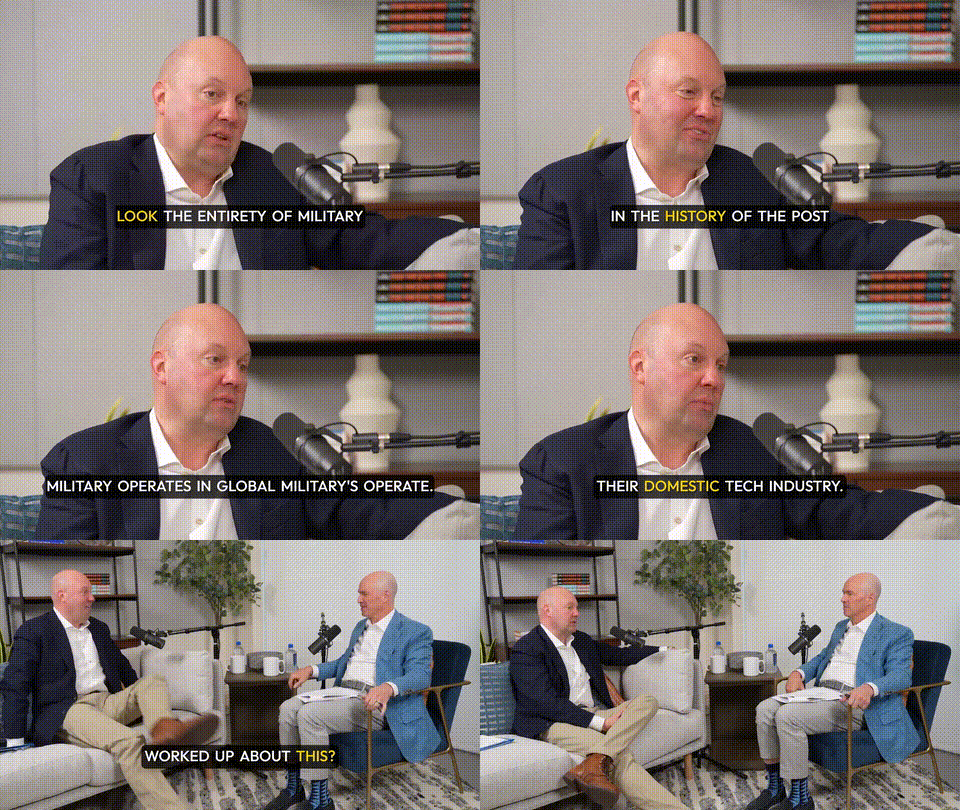
"Just because you do not take an interest in politics doesn't mean politics won't take an interest in you." - A modern paraphrase of a sentiment from Pericles’ Funeral Oration in Thucydides.
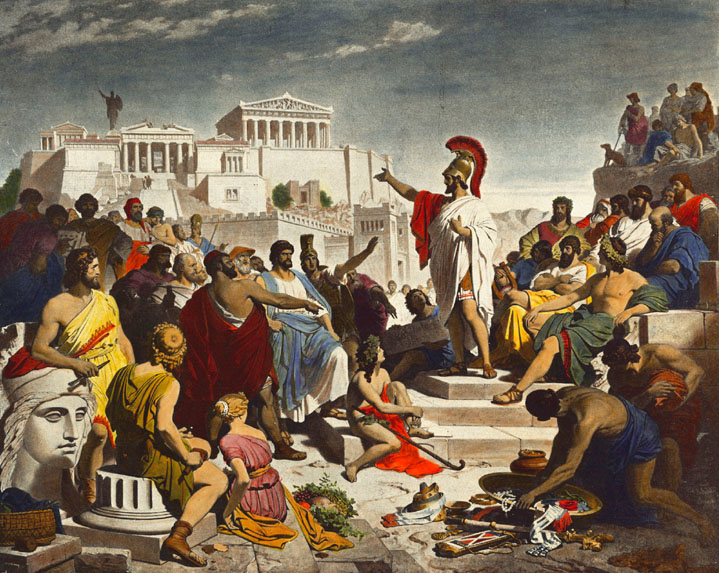
The hard to accept truth is that as any headcount increases of a group it becomes increasingly political.
In a certain respect, the more people you have trying to accomplish something the more difficult it can become. It becomes an exercise in managing others. After a certain point it's more governance than management.
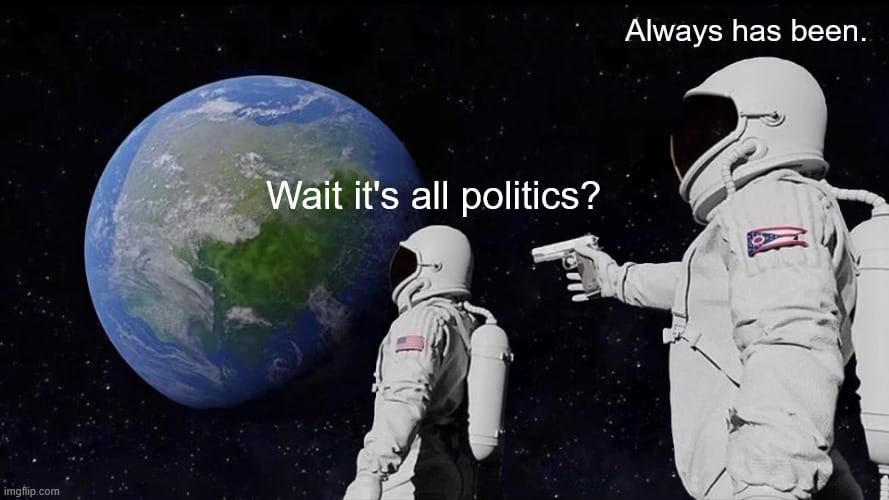
What's fascinating to think about is how often geopolitics plays a role in pushing technology forward. Our instincts to hate one another somehow leads us to feel a sense of urgency to innovate and create new technology. I call them instincts because xenophobia, revulsion, and hate towards one another is removed through learning, conditioning, and wisdom. Our fear of the unknown is the default and not everyone removes their default attitudes towards the unknown and unfamiliar.
It takes concentrated effort.
Not everyone is willing to put forth the effort. Not everyone has the ability or resources because there is only so much time in the day.
In fact, it's more common to find hate than concern for others. Our fear of others and our loss aversion are very telling of this. We often times care more about competitors that make no difference in our day-to-day lives but we perceive them as threats none-the-less.
We went to the moon for geopolitical reasons. (Source)
Peter Thiel speaking with Tyler Owen about Carl Schmitt (source)
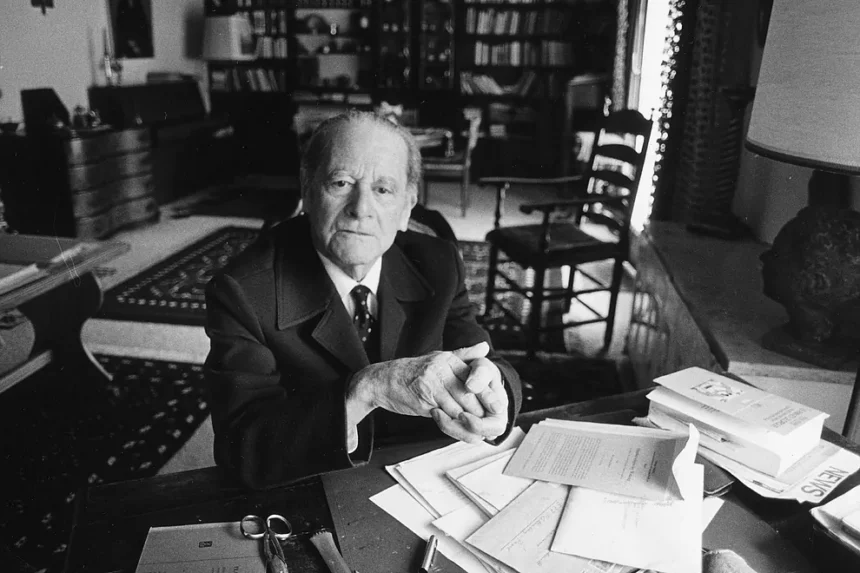
"The political enemy need not be morally evil or aesthetically ugly… But he is, nevertheless, the other, the stranger ..." – Carl Schmitt
Let's get back into that pinned topic that we've veered away from until this point on our detour of politics.
At the end of 2019 Amazon.com Inc. employed 798,000 people according to an SEC filing. According to a later SEC filing at the end of 2025, Amazon.com Inc. employed 1,576,000 full-time and part-time people.
However, that being said, Amazon also makes use of over 1,000,000 robots.
| Category | Example Models | Approx. Count | % of ~1,000,000+ | Note |
|---|---|---|---|---|
| Drive/Transport robots | Titan, Hercules, Proteus, Pegasus | ~800,000 | ~80% | Largest group: mobile “drive unit” robots that lift or pull inventory shelves. |
| Stationary picker arms | Robin, Cardinal, Sparrow, Vulcan | ~120,000 | ~12% | Robotic arms at packing and sorting stations, including vision-guided pickers. |
| Sortation & conveyors | Sequoia (shelving), automated packers | ~50,000 | ~5% | Fixed sorter systems and automated conveyor networks used in warehouses. |
| Aerial/Delivery vehicles | Prime Air drones, Amazon Scout, Rivian vans | ~20,000 | ~2% | Small fleet: pilot drones and sidewalk robots, plus Amazon’s Rivian EV fleet. |
| Total (all robots) | – | >1,000,000 | 100% | Amazon said it had deployed over 750,000 robots by 2021 and surpassed 1 million by 2025. |
What's fascinating about Amazon, for as many robots as they have. They only just acquired a humanoids company.
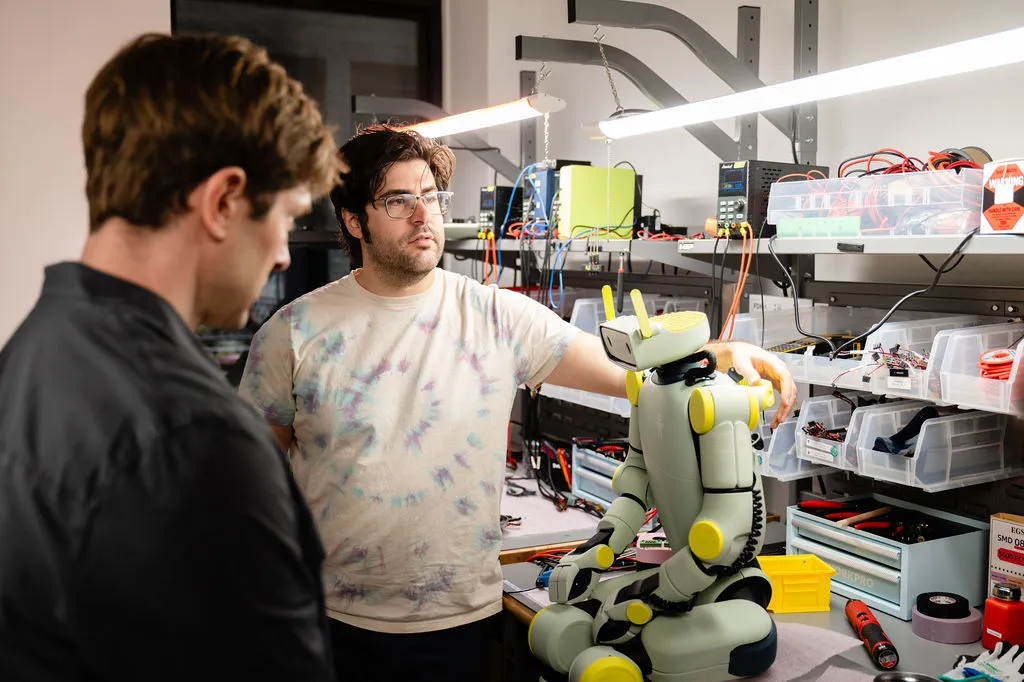
Humanoid robots are seemingly political theater before they are practical labor.
When we read closely what the intent is for that 100B that Bezos is raising for Prometheus group is a holding company. It will be for owning the companies that will produce goods but can be sped up with technology. It's likely for having a vested interest in the outcome of engineering and manufacturing in the fields of computing, aerospace, and automobiles that Project Prometheus can create.
It reminds me of how Nolan Bushnell observed that the arcade cabinets he made for other businesses brought more money through the door than selling the arcade cabinets themselves. In case you didn't know, Nolan Bushnell founded Atari. In response to this observation he founded Chuck E. Cheese.
In this comparison, Prometheus group raising 100 B is the Chuck E. Cheese of today.
Bushnell realized the arcade cabinet was only part of the value chain; the recurring revenue came from owning the place where the machines were used. Prometheus may represent a similar thesis: the value is not only in building industrial AI tools, but in owning or influencing the companies whose production those tools transform.
An Unrealized Future
Robots can't grasp what's in front of them.
Last fall, I spent over a month in San Francisco—the world’s tech mecca, where more technology seems to be created than almost anywhere else.
Much of that concentration comes from the region’s dense network of investors, engineers, universities, and startups. Silicon Valley’s rise was shaped in part by decades of defense and aerospace funding, especially during the Cold War, which helped build a deep pool of technical talent. Over time, that talent attracted venture capital, and the venture capital attracted more founders and engineers, creating the self-reinforcing ecosystem that defines the region today.
In San Francisco I went through a hardware accelerator program where I got to be alongside people building some wondrous technology.
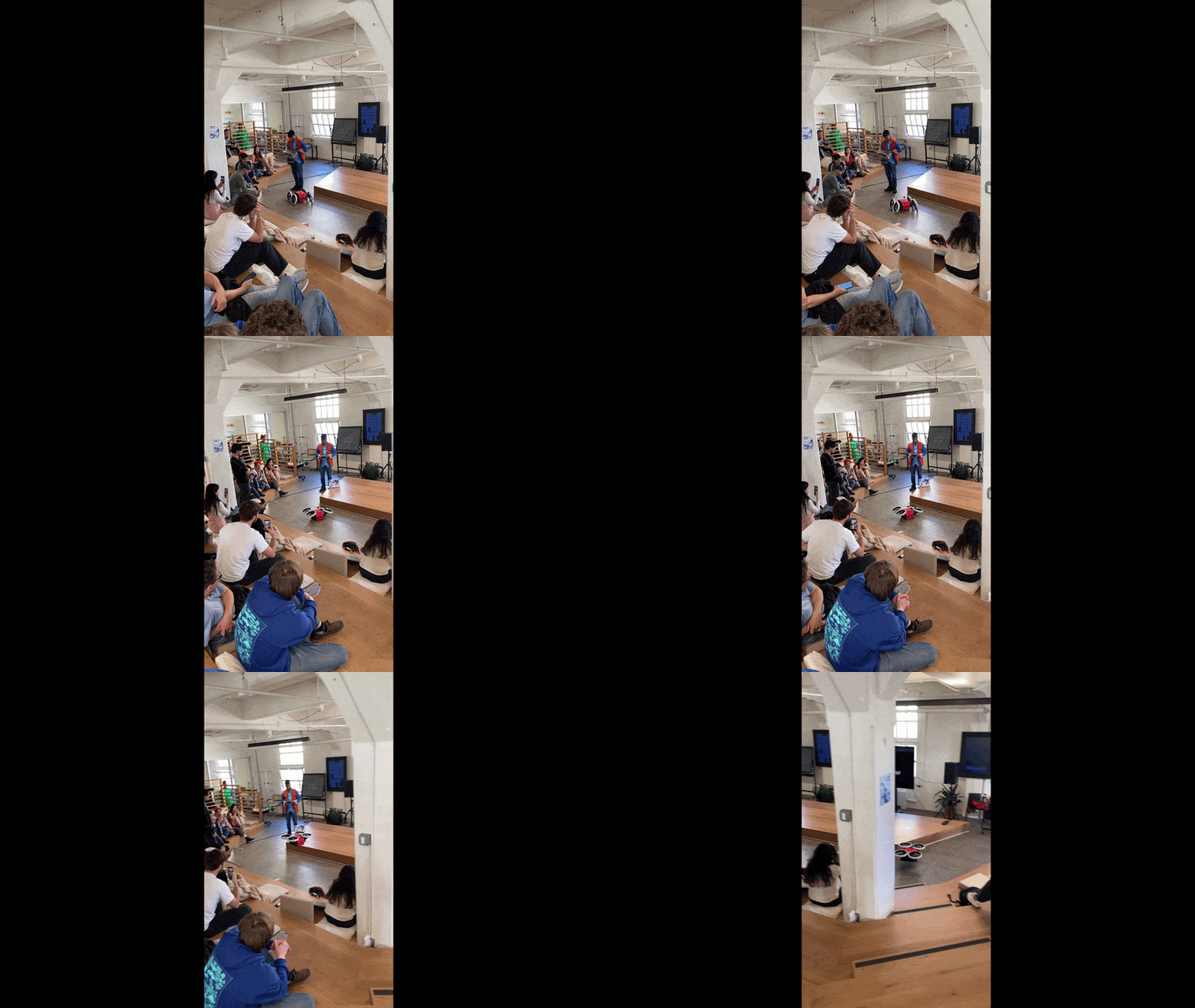
Some people were flying drones, but I wasn't there to fly drones.
I was trying to best understand what it takes to have a robot pick objects up and put them down. It's this strange problem with robotics that has gone unsolved, but recent breakthroughs of ACT & VLA machine learning models have had people excited about what was possible.
I spent much of my time building a robotic arm with a hand attachment and interchangeable end-effectors. A significant part of my work involved collaborating with other groups focused on robotic-arm hardware and software to understand what was possible with the technology of today. Occasionally, experts visited and shared valuable insights about challenges they had faced and how they overcame them in various robotic-arm applications, particularly object manipulation. It was a surprising number of people who were applying it towards agriculture and tasks found at home.
This is so impressive from @SkildAI - one of the hardest things to do is super light grip strength and agility - no better demo than making an omelette… https://t.co/KYZlrEd5aD
— Aydin Senkut (@asenkut) April 12, 2026
What's possible is really compelling.
However, the dirty little secret of robotic arms is that teleoperation is the norm and much more common. Teleoperation is basically just remotely controlling the arms from a different set of arms. Teleoperation is not just used when the arms are by themselves, but also when they are attached to a humanoid robot.
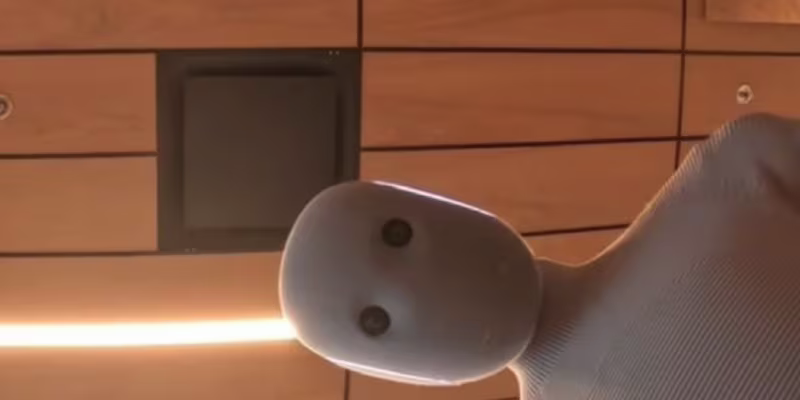
Even Optimus has been found to be remotely controlled at promotional events.
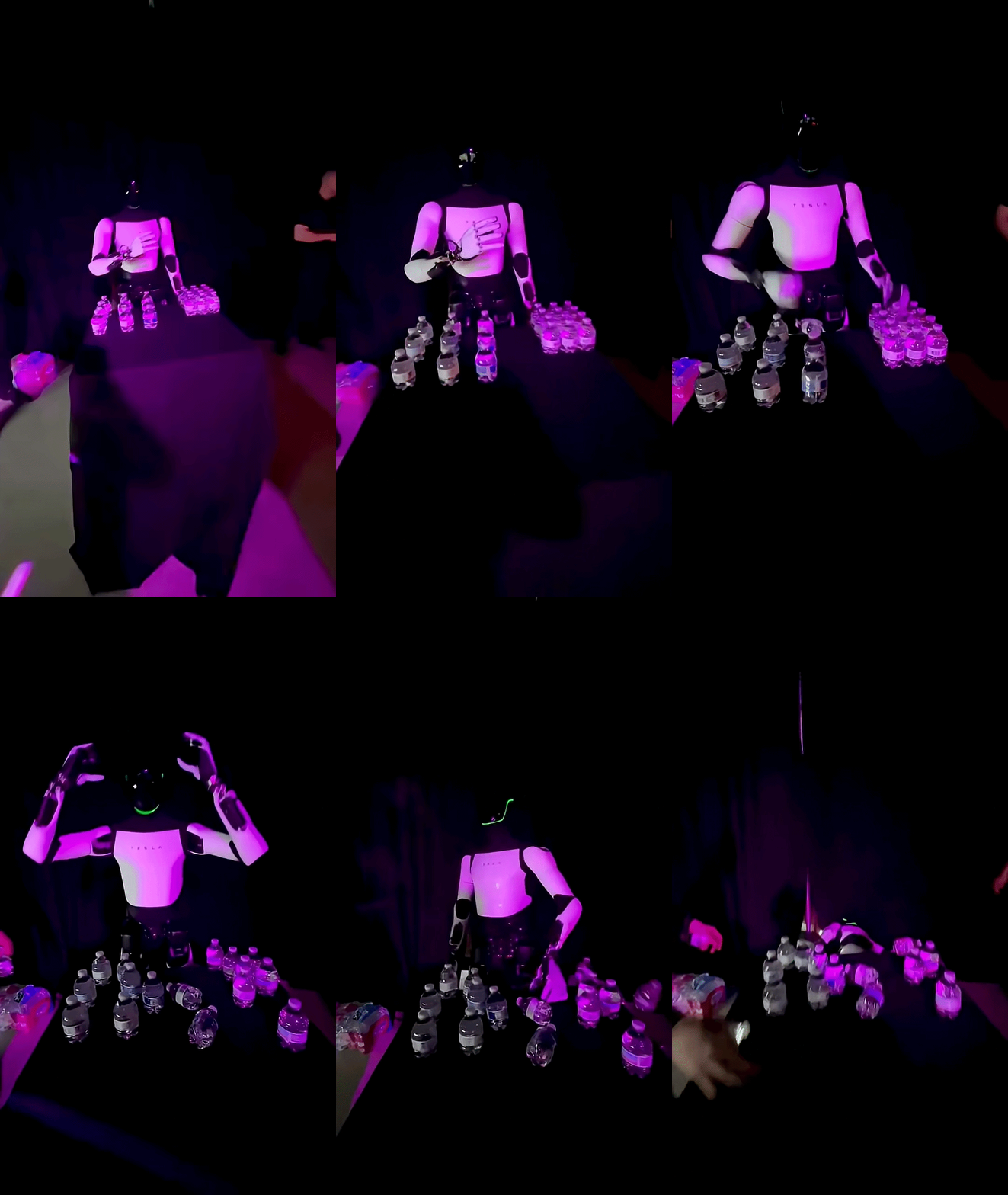
Teleoperation is akin to FPV flying of drones. They both are reliably trusted technology and it's the default. Teleoperation is the majority of what you're seeing often times. There are exceptions, but it's hard to know without seeing a demo in person. It is especially difficult to discern what's real and what's fake because we live in a world where AI generated videos and AI editing tools exist.
Seeing all of this, I got to the point of remotely controlling a hand from a keyboard and mouse as a point of progress after 5 weeks.
I chose a hand because I was trying to understand the true comparable alternative. Why aren’t robots everywhere, doing everything? Why do we still employ people for repetitive and tedious tasks?
When someone builds something like a robotic arm, robotic hand, or end effector, the natural instinct is to frame another robotic arm, hand, or end effector as the competition. That becomes the comparable.
But that is the wrong mentality.
The real competition is a person with hands.
The competition is the human hand and the human brain that controls it.
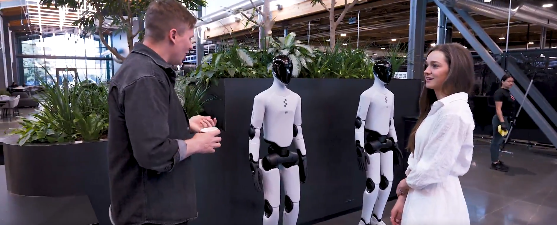
At the end of the five weeks, a man asked me at the demo day, “What problem are you solving?”
My answer was that it was an economic problem. It is cheaper and easier to hire a person than to buy and maintain a robotic arm/hand that can pick stuff up and put it down consistently. Automation is expensive relative to the alternative, and that is true in most situations.
But it will not always be true.
He seemed surprised by my response, especially that I did not see the technology itself as the bottleneck.
Production is enduring.
Robotic arms will be relevant into the future.
Robotic arms are one of the most significant technologies associated with modern assembly lines. In automotive manufacturing, they are often imagined surrounding a bare chassis.
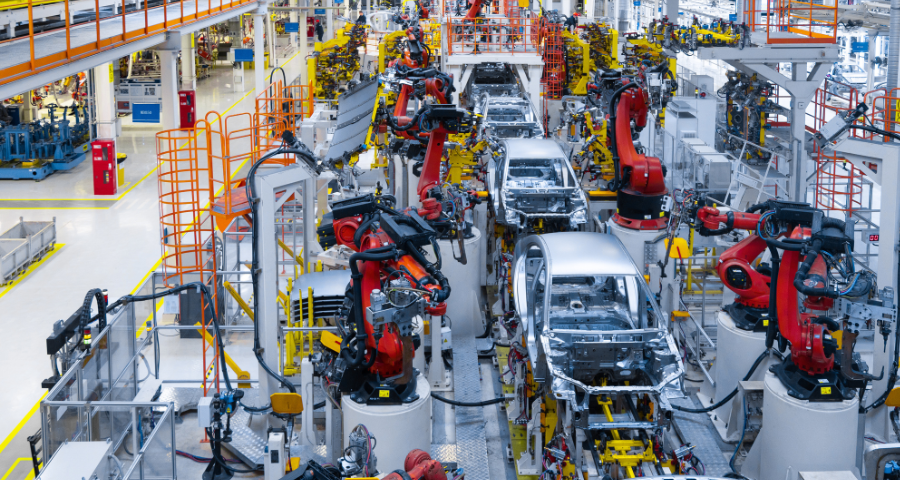
I'd imagine this is why someone thought to use humanoids there.
This week, Figure has passed 5 months running on the BMW X3 body shop production line
— Brett Adcock (@adcock_brett) October 6, 2025
We have been running 10 hours per day, every single day of production!
It is believed that Figure and BMW are the first in the world to do this with humanoid robots pic.twitter.com/zAXCbApXBJ
However, the marketing hype leaves much to be desired, as the functional output and value of these humanoids remain questionable. In the background, robotic arms continue to prove dependable, reducing cycle times and maintaining high quality.
In this instance, as in most others, production capacity matters more than demos. The problem is not whether robots can look human. The problem is whether they can economically replace the hand.
The Arms in Question.
Low-cost robotic arms.
What I find fascinating is how the Apache 2.0 open-source license has made its way into open-source robotic arms.
It is the same license used by computer vision libraries such as OpenCV, and I’m fond of it because it is permissive in a way that supports both technological progress and commercial use.
At some point, though I’m not sure exactly why, Apache 2.0 became normalized in robotics. I think Hugging Face and LeRobot played a significant role, but I’m not entirely certain. My intuition is that the license moved from computer vision into robotics as camera sensors became utilized when newer machine learning models such as VLAs came into existence.
TheRobotStudio
I think it started with the above arm.
robot-learning-co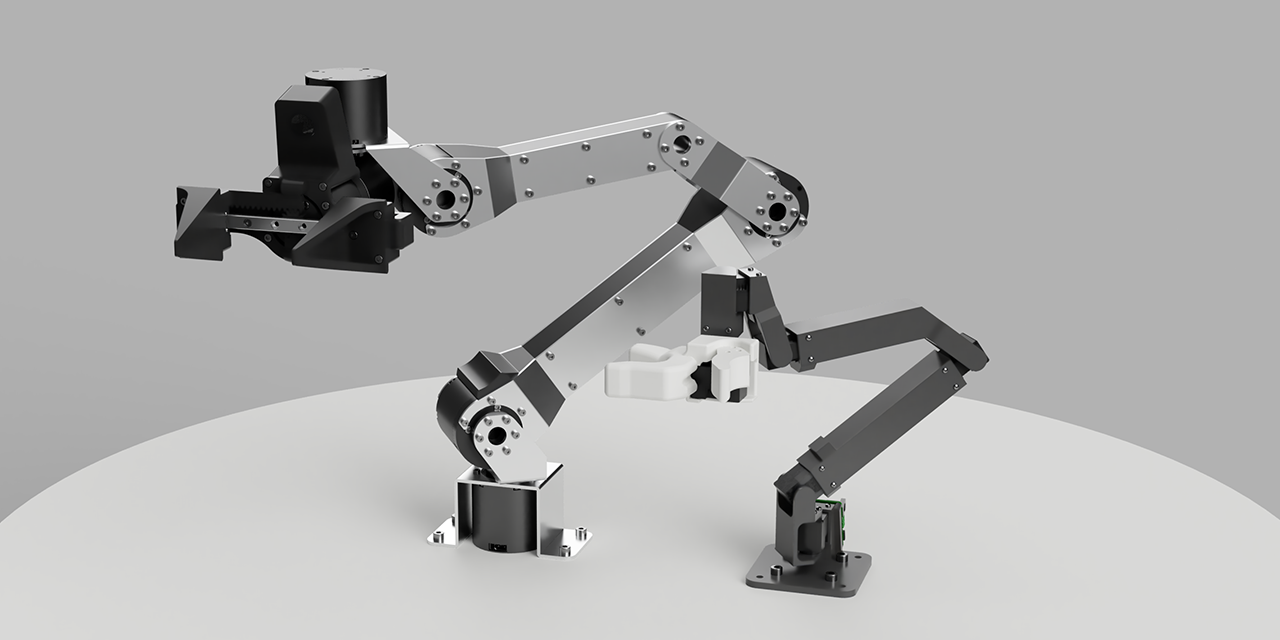
Then another.
pollen-robotics
You get the point.
This presents opportunities of driving the cost down of robotics in the future. Where the economic problem of picking stuff up and putting it down through robotics becomes solved over time.
Conflicts are like waves: they surge, contract, and eventually recede, but each swell leaves something behind. What remains is not always the most spectacular technology, but the technology that proved cheap, available, durable, and easy to deploy. Drones have shown that simple systems can reshape battlefields when logistics are on their side, and the same lesson applies to markets. Amazon, Tesla, Bezos, and the broader industrial automation race are all circling the same truth: production capacity matters more than performance theater. Humanoids may attract capital, politics, and attention, but much of their present value is still symbolic, constrained, or remotely operated. The harder and more enduring problem is manipulation: picking things up and putting them down reliably enough to compete with the human hand and the human brain. It's a solved problem in the specialized case and unsolved in the generalized case.